
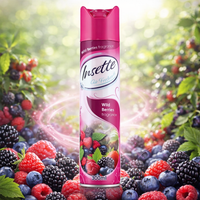
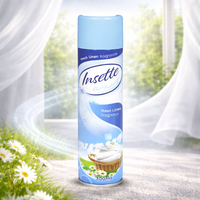
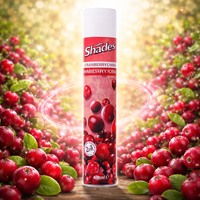

Aerosol and liquid air fresheners are widely used products designed to improve indoor air quality by masking or eliminating unpleasant odours. Although they serve the same general purpose, they differ significantly in how they function, how long they last, and their potential effects on health and the environment.
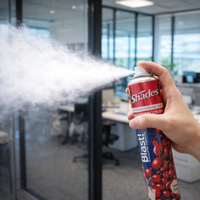
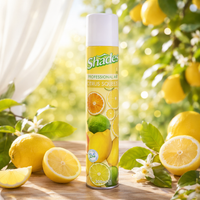
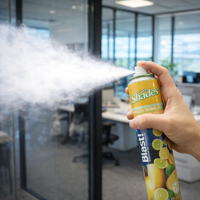
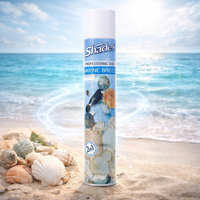
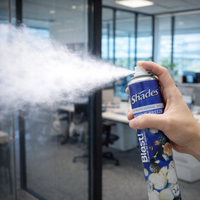
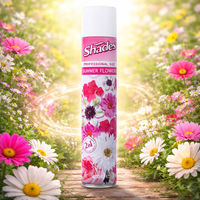
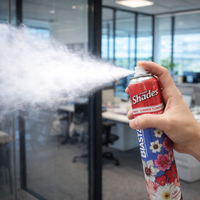
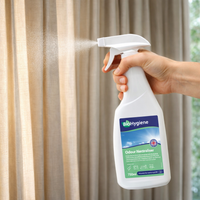
Aerosol air fresheners operate using a pressurized container that holds fragrance compounds, solvents, and a propellant. When the nozzle is pressed, the propellant forces the liquid out in the form of a fine mist that disperses quickly into the air. This allows the fragrance to spread rapidly across a room, making aerosol sprays particularly effective for immediate odour control. For example, they are often used in bathrooms or kitchens where odours need to be neutralized quickly.
One of the main advantages of aerosol air fresheners is their instant effect. The fine mist can cover a large area in seconds, providing immediate results. They are also convenient and easy to use, requiring only a quick press to release the spray. However, this convenience comes with some drawbacks. The fragrance tends to be short-lived, meaning frequent reapplication is often necessary. Additionally, it is easy to overuse aerosol sprays, which can result in an overpowering scent.
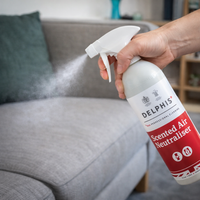
Liquid air fresheners, on the other hand, release fragrance gradually over time rather than in a sudden burst. They come in various forms, including reed diffusers, plug-in devices, gels, and evaporative liquids. These systems rely on slow evaporation or heat to disperse fragrance molecules into the surrounding air. As a result, they provide a continuous and more stable scent over extended periods, often lasting days or weeks.
The main benefit of liquid air fresheners is their longevity. Because they release fragrance slowly, they maintain a consistent level of scent without requiring frequent attention. This makes them suitable for living rooms, bedrooms, or offices where a steady, subtle fragrance is preferred. They also reduce the likelihood of overwhelming the space with too strong a smell, which can happen with aerosols.
However, liquid air fresheners are not ideal for situations where immediate odour removal is needed. Their slower release means they cannot quickly neutralize strong or sudden odours. There is also a risk of spills or leaks, particularly with open containers or diffusers, which can damage surfaces. Additionally, the need for refills or replacements can make them more expensive over time.