











Choosing Cleaning Cloths Dusters and Floor Pads
The right cleaning cloth or pad helps remove dirt efficiently, protect surfaces and achieve a consistent finish. From disposable cloths for quick clean-ups to reusable microfibre cloths and machine floor pads, each product has a different role in a professional cleaning routine.
This guide explains the main options and how to choose suitable equipment for workplaces, schools, hospitality venues and commercial premises.
Disposable cleaning cloths
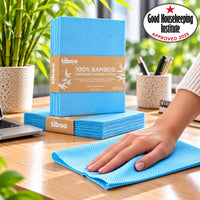
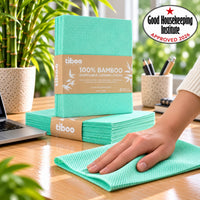
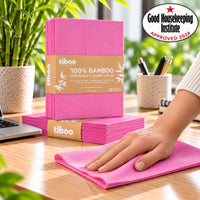
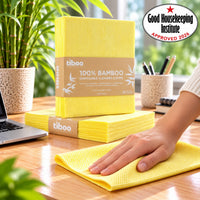
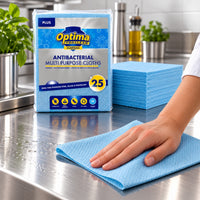
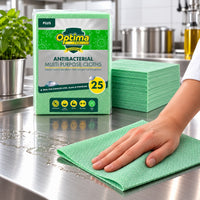
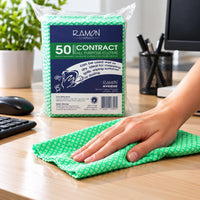
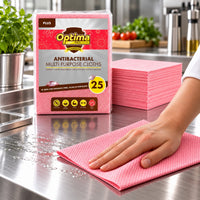
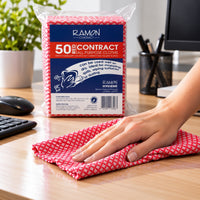
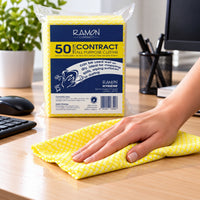
Disposable cloths offer a convenient option for wiping surfaces, tackling spills and completing tasks where laundering is impractical. Available in different materials, sizes and strengths, they suit a wide range of everyday cleaning jobs.
Using a fresh cloth for each designated task or area can help limit the transfer of contamination. Replace cloths when soiled and dispose of them according to the product instructions and your site’s waste procedures.
A disposable cloth is not automatically a disinfectant wipe. Where disinfection is required, use a suitable product and follow its dilution and contact-time instructions.
Reusable cleaning cloths
Reusable cloths are a practical choice for regular cleaning where suitable washing and drying facilities are available. Depending on their material, they can be used for wiping worktops, cleaning washable surfaces and absorbing everyday spills.
Consider absorbency, durability, lint levels and compatibility with your cleaning chemicals. A cloth that works well for general wiping may not give the best finish on glass or polished surfaces.
Keep clean and used cloths separate. Launder reusable cloths according to the manufacturer’s instructions and allow them to dry fully before storage.
Microfibre cloths
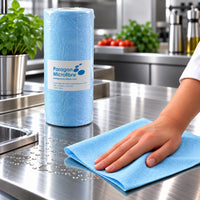
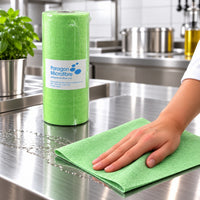
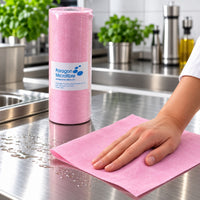
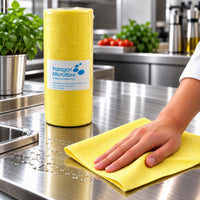
Microfibre cloths contain fine synthetic fibres that lift and hold dust, dirt and moisture. Different constructions suit different tasks, including general surface cleaning, dusting, glass cleaning and polishing.
Use a suitable cloth dry for light dusting or damp for wiping washable surfaces. Fold it into sections to create several cleaning faces, turning to a clean section as you work. Replace the cloth once its available faces become soiled.
For best results:
-
Choose a cloth suited to the surface and task.
-
Check compatibility before using strong chemicals or disinfectants.
-
Follow the recommended washing temperature and drying instructions.
-
Avoid fabric conditioner unless the manufacturer permits it, as it can affect cleaning performance.
-
Wash separately from lint-shedding materials where recommended.
Microfibre can support effective cleaning with water for some tasks, but it does not replace a required disinfection process.
Dusters
Dusters help remove loose dust from furniture, shelves, ledges and other surfaces. Options include traditional dusting cloths, microfibre dusters and synthetic heads designed to collect dust.
Choose a soft, clean product appropriate for the finish. Dust trapped in a dirty cloth can be transferred elsewhere, while grit can scratch delicate surfaces.
Work from higher surfaces downwards so that any falling dust can be collected during the next stage of cleaning. Use gentle movements and clean or replace the duster head regularly.
Telescopic dusters
Telescopic dusters extend your reach for cleaning high shelves, corners, ceiling edges and other awkward areas. Some have flexible or angled heads to reach over ledges and around fittings.
Check the working reach, handle weight, locking mechanism and availability of replacement heads. A lightweight, manageable pole is useful when cleaning several areas.
Where the task permits, an extending duster allows cleaning from floor level. Keep a stable footing, avoid overreaching and follow site procedures around electrical fittings or fragile equipment.
Scouring pads and sponge scourers
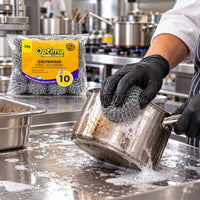
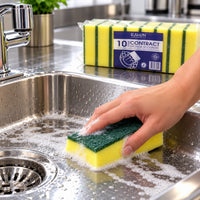
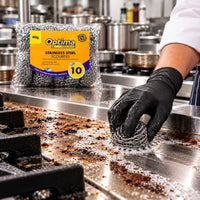
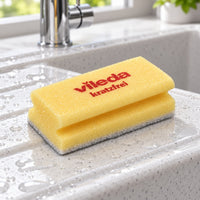
Scouring pads help loosen stubborn food deposits, grease and ingrained dirt that a soft cloth may struggle to remove. They are useful for cleaning suitable sinks, cookware, work surfaces and equipment, with different grades available for different tasks.
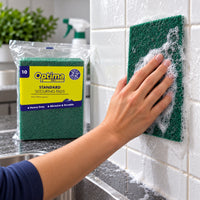
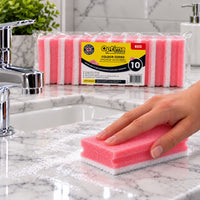
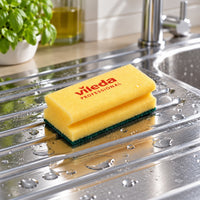
Sponge scourers combine an absorbent sponge with a scouring layer. Use the sponge side to apply cleaning solution and wipe up moisture, and the abrasive side to tackle more persistent marks on suitable surfaces.
Choose the level of abrasion carefully. Heavy-duty scourers can scratch delicate finishes, while products described as non-scratch still need to be checked for suitability. Follow the surface manufacturer’s guidance, particularly on non-stick cookware, polished metal, plastics and coated surfaces, and test an inconspicuous area first.
Rinse pads and sponge scourers thoroughly after use, remove trapped debris and allow them to dry. Keep them assigned to their designated cleaning area, and replace them when worn, damaged or difficult to clean. A scouring pad or sponge does not disinfect a surface by itself; use an appropriate cleaning and disinfection process where required.
Wiping rags
Wiping rags are useful for general wiping, maintenance work and heavier cleaning in workshops, warehouses and industrial environments. Different grades offer different levels of absorbency, consistency and lint control.
Cotton-rich rags are often chosen for absorbing liquids, while low-lint wiping materials are more suitable where loose fibres would affect the finish. Check whether the rag is appropriate for the surface, chemical and task before use.
Rags contaminated with oils, solvents or other hazardous substances require suitable handling, storage and disposal. Follow the relevant safety data sheet and site procedures rather than placing them in ordinary waste automatically.
Machine floor pads
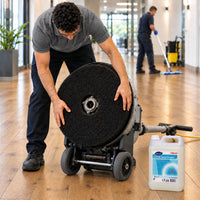
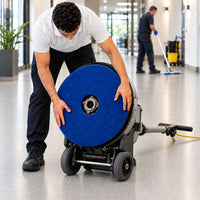
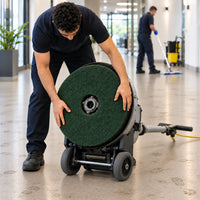
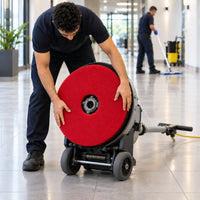
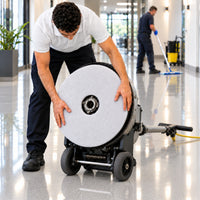
Machine floor pads complement cloths and dusters by tackling larger floor areas. Used with compatible rotary machines, scrubber dryers or burnishers, they support tasks ranging from routine cleaning to polishing and stripping floor finishes.
Choose a pad according to:
-
The floor material and any protective finish.
-
The cleaning or maintenance task.
-
The machine type, operating speed and required pad size.
-
The cleaning chemical and manufacturer’s recommendations.
Pad colours often indicate intended use, but colour alone is not a reliable specification across every range. Check the individual product guidance before fitting a pad, particularly for delicate floors or aggressive stripping work.
Remove loose debris before machine cleaning. Inspect pads regularly, clean them after use and replace worn or damaged pads to maintain an even result.
Organising your cleaning equipment
Colour coding can help staff keep equipment assigned to particular areas, such as washrooms, catering spaces and general interiors. Use a clearly documented system and make sure everyone understands it.
Store clean cloths, dusters and pads in a clean, dry place. Keep used items separate and replace equipment that is damaged, heavily worn or no longer cleaning effectively.
Choosing products by task, surface and cleaning method helps teams work efficiently while maintaining the appearance of the building.
Explore cleaning cloths, dusters, wiping rags and machine floor pads at Click Cleaning to find practical supplies for your everyday cleaning routine.